Call: (212) 732-2262
De Caro & Kaplen, LLP
Home » New York Brain Injury Attorneys » Help » FAQs » How Does A Brain Injury Affect Daily Life?

How Does A Brain Injury Affect Daily Life?

A traumatic brain injury (TBI) can change the course of a person’s life forever, affecting all parts of daily life, with effects varying based on the severity of the injury, the area of the brain affected, and the individual’s overall health.  

Here are some of the common cognitive, emotional, behavioral, and physical ways a TBI can influence daily functioning and impact work, school, and household tasks:  

Cognitive Impairments 

  • Memory Issues: Difficulty recalling recent events or learning new information. 
  • Attention and Concentration: Reduced ability to focus on tasks. 
  • Executive Functioning: Challenges with planning, organizing, problem-solving, decision-making, and multitasking. 
  • Processing Speed: Slower thinking and reaction times. 

Emotional and Behavioral Changes 

  • Mood Swings: Increased irritability, anger, or emotional outbursts. 
  • Depression and Anxiety: Feelings of sadness, hopelessness, or excessive worry. 
  • Impulsivity: Difficulty controlling behavior or making sound judgments. 
  • Social Challenges: Reduced ability to interpret social cues or maintain relationships. 

Physical Effects 

  • Chronic Headaches 
  • Fatigue: Persistent tiredness and low energy levels. 
  • Coordination Issues: Difficulty with balance, walking, or fine motor skills. 
  • Sensory Changes: Sensitivity to light or noise, or changed taste, smell, or touch. 
  • Seizures: Risk of post-traumatic epilepsy  

Communication Challenges 

  • Speech and Language Issues: Difficulty finding words, forming sentences, or understanding others. 
  • Nonverbal Communication: Struggles with interpreting or expressing nonverbal cues, such as gestures or facial expressions. 

Impact on Daily Activities 

  • Work and School: Reduced ability to perform job tasks or keep up with academic demands. 
  • Household Tasks: Difficulty managing finances, cooking, or maintaining a clean and safe environment. 
  • Driving: Impaired reaction times and judgment can make driving unsafe. 
  • Self-Care: Challenges with grooming, dressing, or managing medications. 

Social Effects: 

What support is available to improve the quality of life for people with a brain injury?  

  • Rehabilitation: Physical therapy, occupational therapy, and speech therapy can help improve function. 
  • Mental Health Support: Counseling or support groups can address emotional and social challenges. 
  • Assistive Technology: Tools such as memory aids or mobility devices can enhance independence. 
  • Routine Adjustments: Establishing structured schedules and reducing distractions can help manage symptoms. 

Further reading: Services and Support for Brain Injury Survivors

The attorneys at The Brain Injury Law Firm® understand brain injury is a long-term disability.  If your brain injury was caused by negligence or malpractice, our attorneys can sue to obtain the compensation you deserve.  Our attorneys have been representing victims of brain trauma for over 45 years with a national reputation for protecting the legal rights of brain injury survivors.  That’s why they are recognized as Preferred Attorneys by The Brain Injury Association of America.
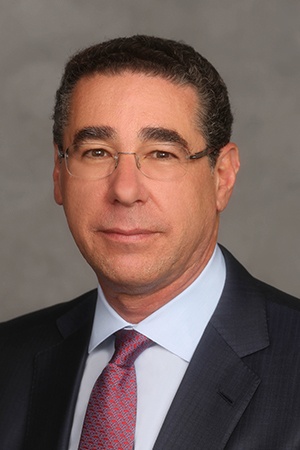
About The Author

Michael V. Kaplen

Michael V. Kaplen represents victims of vehicle collisions, unsafe buildings and construction sites, and medical malpractice, and is a preferred attorney of The Brain Injury Association of America.

Michael is board certified as a Civil Trial Advocate and board certified in medical malpractice litigation. He is a Professorial Lecturer in Law, The George Washington University Law School, The Legal Aspects of Traumatic Brain Injury.

Michael is past chairman of the American Association for Justice (AAJ) Automobile, Highway and Premise Liability Section, past chairman of the AAJ Traumatic Brain Injury Litigation Group, three term president of the Brain Injury Association of New York State served two terms as chair of the New York State Traumatic Brain Injury Services Coordinating Council and vice-president, New York State Academy of Trial Lawyers.

He was invited by President Obama to participate in the White House Healthy Kids & Safe Sports Concussion Summit.

He is admitted to courts in New York, Florida, and Washington, DC. He has been selected as a New York Super Lawyer and recognized by Best Lawyers of America and U.S. News and World Report in personal injury law.

If you would like to contact us using our form, please fill out the information below:

  • This field is for validation purposes and should be left unchanged.
cross-circle linkedin facebook pinterest youtube rss twitter instagram facebook-blank rss-blank linkedin-blank pinterest youtube twitter instagram